Wide Range of Auto Parts Online – Shop Smart
Shopping for car components online offers a practical solution for vehicle owners. The vast selection of brands and products allows for informed choices. Convenience is a major advantage, as it removes the constraints of physical stores. Additionally, detailed specifications and customer reviews assist in decision-making. However, maneuvering this extensive marketplace requires careful consideration of various factors. Understanding these elements can greatly enhance the shopping experience and guarantee satisfaction. What should one prioritize when making such choices?
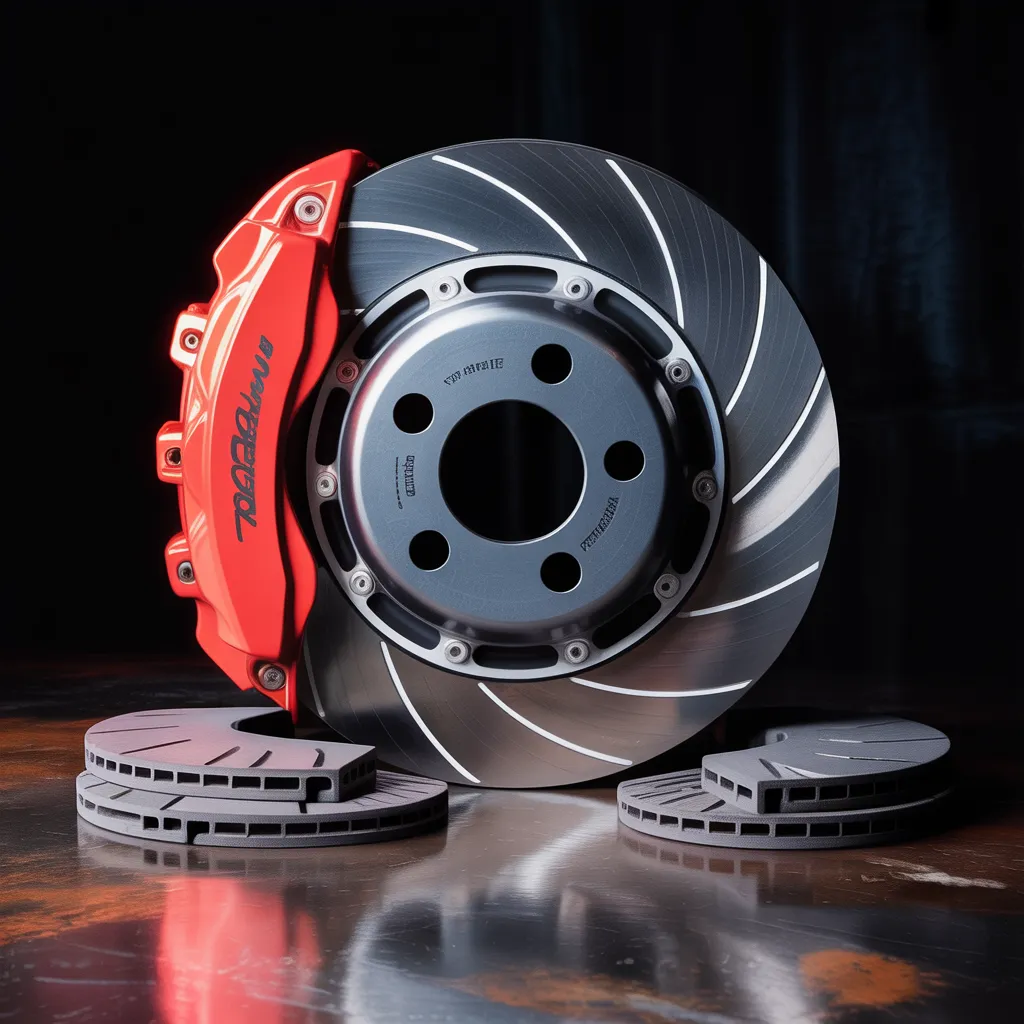
The Benefits of Shopping for Auto Parts Online
Purchasing automotive parts online presents varied advantages, particularly for those seeking convenience and speed. A key advantage is the broad selection available, enabling consumers to view an extensive range of brands and products without the constraints of physical store inventory. This range allows customers to check prices, read reviews, and determine compatibility with their vehicles from the comfort of their homes.
Additionally, online shopping removes the need for time-consuming trips to local stores. With just a few clicks, consumers can have parts delivered directly to their doorstep, dodging traffic and long wait times. Many online retailers also provide detailed descriptions and installation guides, improving the buying experience.
Furthermore, the competitive pricing usually found online can produce meaningful savings. Discounts, special deals, and convenient search tools empower consumers to make sound decisions. Overall, shopping for auto parts online optimizes the process, making it a smart choice for many vehicle owners.
Ways to Locate the Correct Car Parts for Your Vehicle
Finding the correct auto parts for a vehicle requires detailed thought and research. Vehicle owners should begin by identifying the exact parts required, which can often be found in the owner’s manual or by consulting a trusted mechanic. Next, it’s essential to note the vehicle's make, model, and year, as these details greatly affect compatibility.
Employing online databases and part identification tools can facilitate this process, providing selections that match the vehicle's specifications. Additionally, customers should inspect the quality of the parts, favoring reputable brands or OEM (Original Equipment Manufacturer) parts when possible. Reviews and ratings from other buyers can also offer understanding into operation and resilience.
Finally, seeking advice from automotive experts can help resolve any uncertainties. By taking these steps, vehicle owners can ensure they select the right parts, ultimately enhancing vehicle performance and longevity.
Guide to Effectively Check Costs for Auto Parts
When checking prices for auto parts, a careful approach can produce the best results. First, it is necessary to identify the specific parts needed, as this helps reduce options. Utilizing online platforms that specialize in auto parts enables quick access to multiple retailers.
Next, consumers should prepare a list of potential suppliers and list their prices for the same parts. This comparison can be made easier by using cost comparison websites, which aggregate data from multiple sources.
Additionally, analyzing customer comments can provide information into the reliability and quality of the parts. It’s worthwhile to review any offered discounts, sales, or large order possibilities that may reduce costs.
Lastly, keeping an eye on seasonal sales or clearance events can result in significant savings. By following these steps, one can make informed decisions and guarantee they are getting the best value for their auto parts.
A Guide to Shipping and Return Rules
When buying auto parts through online platforms, policies regarding shipping and returns are important factors to take into account. Awareness of the various shipping options available can impact delivery times and costs, while a detailed overview of the return process ensures peace of mind. This section will detail these points to help consumers make educated choices.
Understanding Delivery Options Explained
Steering through the myriad delivery options available for auto parts is vital for a uninterrupted purchasing experience. Many online retailers offer numerous shipping methods, including standard, expedited, and same-day delivery. Standard shipping is typically the most inexpensive, while expedited options serve time-critical needs, often arriving within one to three days. Some retailers may also provide free shipping on orders above a certain amount, adding to the overall value for customers. Additionally, tracking options are generally available, allowing consumers to monitor their shipments in real time. Understanding these selections helps buyers select the most proper option based on their urgency and budget, ensuring timely receipt of essential auto parts without unnecessary complications.
Return Procedure Overview
Comprehending the refund process is essential for anyone buying auto parts online, as it directly impacts customer satisfaction. Each retailer typically lays out clear return policies, including periods for returns and requirements that parts must satisfy to be qualified for refunds or exchanges. Customers should review these policies before finalizing a purchase. Generally, a return authorization may be required, and items must be returned in their original condition and packaging. Additionally, shipping costs for returns may be the buyer’s responsibility unless otherwise specified. Complying with these guidelines can make the return process smoother, making it easier for customers to address issues and enhancing their overall shopping experience.
Examining Vehicle Parts Providers: Critical Items to Observe
When examining auto parts sellers, potential buyers should prioritize a few important factors to guarantee a positive purchase experience. First, the standing of the seller is paramount; reviews and ratings from previous customers can provide information into reliability and service quality. Second, the availability of a wide range of parts is necessary, as it indicates that the seller can meet diverse needs.
Next, clear pricing is essential; concealed charges can lead to unexpected costs that diminish the value of a purchase. Additionally, a straightforward return policy is important, allowing buyers to return parts that are faulty or wrong.
Lastly, customer support should be readily available, making sure that customers can address problems quickly. By focusing on these factors, consumers can make well-informed choices and choose automotive parts vendors that improve their shopping experience.
Must-Have Equipment for Do-It-Yourself Auto Repairs
For anyone performing DIY auto repairs, a complete toolkit is crucial. Key tools include a trusted set of wrenches and sockets, critical for turning bolts. Additionally, a torque wrench is necessary to ensure that fasteners are assembled correctly. Pliers and screwdrivers in different sizes facilitate handling different components, while a jack and jack stands ensure safe access to the undercarriage areas.
Additionally, an oil filter wrench makes oil changes smoother, and a multimeter is invaluable for diagnosing electrical issues. A set of mechanic gloves protects hands while providing a better grip on tools. Finally, a vehicle manual specific to the vehicle can offer guidance on procedures and specifications. By having these key tools on hand, DIY enthusiasts will be better prepared to tackle a range of auto repairs quickly and review now safely.
How can you make sure quality is assured when buying car components online?
Putting together a set with the appropriate tools prepares DIY enthusiasts for successful auto repairs, but confirming the quality of auto parts bought online is always important. To guarantee quality, buyers should start by researching credible suppliers noted for their dependability and customer service. Reading customer reviews and ratings can deliver insights into the experiences of previous buyers. Additionally, verifying that parts meet OEM (Original Equipment Manufacturer) specifications confirms compatibility and durability.
Buyers must also consider the warranties or guarantees offered by sellers, as these frequently serve as indicators of product quality. Employing online forums and community recommendations enables the discovery of trusted brands and products. In the end, comparing prices across various platforms can help avoid overpaying for substandard items. By following these steps, consumers can make smart decisions and obtain quality auto parts that enhance their DIY repair experiences.
Common Asked Concerns
Can Online Auto Parts Be Matched With All Vehicle Models?
Online automobile parts are not compatible with all vehicle model universally. Compatibility depends upon specific part numbers and manufacturer specifications, meaning careful verification to guarantee proper fitment and functionality for each individual vehicle.
How do I keep track of My web Auto Parts Order?
To follow an online auto parts order, customers typically receive a confirmation email that includes a tracking number. They can use this number on the shipping copyright's site to check the order's status and expected delivery.
What Pay Options Are Accepted for Online Purchases?
Accepted payment methods for online purchases typically include credit and debit cards, copyright, and sometimes options like Apple Pay or direct bank transfers. Customers should verify specific methods during checkout for their chosen retailer.
Do Internet Shops Give Protection on Auto Parts?
Many online shops do offer guarantees on car components, providing customers with assurance regarding the quality of products. These warranties often differ by seller and component type, so checking the terms before buying is recommended.
Is It Possible to Abort My Vehicle Accessories Order After I Have Bought It?
Customers generally have the option to cancel their auto parts orders after checkout, although procedures vary by retailer. It’s crucial to check the exact store’s cancellation rules for possible time limits or restrictions that apply.